
Why Kids Still Struggle with Executive Function - Even When You Gave Them a Planner
- Cara Koscinski
- Nov 10, 2025
- 3 min read
Updated: Dec 1, 2025
🚨 The Planner Isn’t the Problem, It’s the Readiness to Use It

We’ve all been there: you hand a child or student a shiny new planner, complete with color-coded pages, stickers, and the hope that this will finally help them get organized.
Two weeks later? It’s blank or buried at the bottom of a backpack.
Parents, teachers, and therapists often ask:
“Why is my child still struggling with executive function when we gave them a planner?”
The answer is simple: a planner is a tool, but executive function is a whole system. And without readiness, even the best tool won’t work.
🧠 What Is Executive Function and Why It’s More Than a To-Do List
Executive function (EF) is a set of cognitive processes that help children:
Start tasks
Stay focused
Manage time
Regulate emotions
Shift between activities
Remember what they’re doing
Plan and organize their day
The skills are managed by the brain’s prefrontal cortex, which develops from early childhood through young adulthood.
Key Executive Function Skills Include:
Working memory
Task initiation
Inhibition
Cognitive flexibility
Emotional regulation
Planning and organization
Time management
Self-monitoring
Handing a child a planner assumes they already have these skills, and they often don’t.
In The Executive Function Express Model, the child is the train. The planner is simply one tool along the journey. Without internal readiness, regulation, and interest, the train cannot move forward, no matter how shiny the tool.
🚂 The Executive Function Express Framework
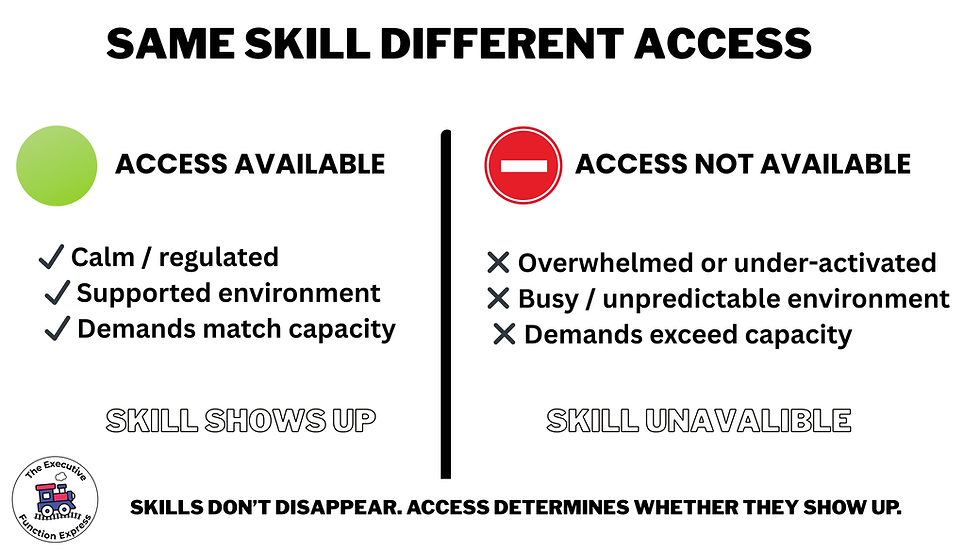
At the Executive Function Institute, we use a train-themed model to make executive function skills visual, teachable, and child-friendly. Just like a real train system, skills must work in sequence. If a child is overwhelmed, dysregulated, or distracted, giving them a planner is like asking a train with no fuel to climb a mountain.
Instead, we begin with foundational “train system” components:
• Regulation and Interoception (The Regulation Station)
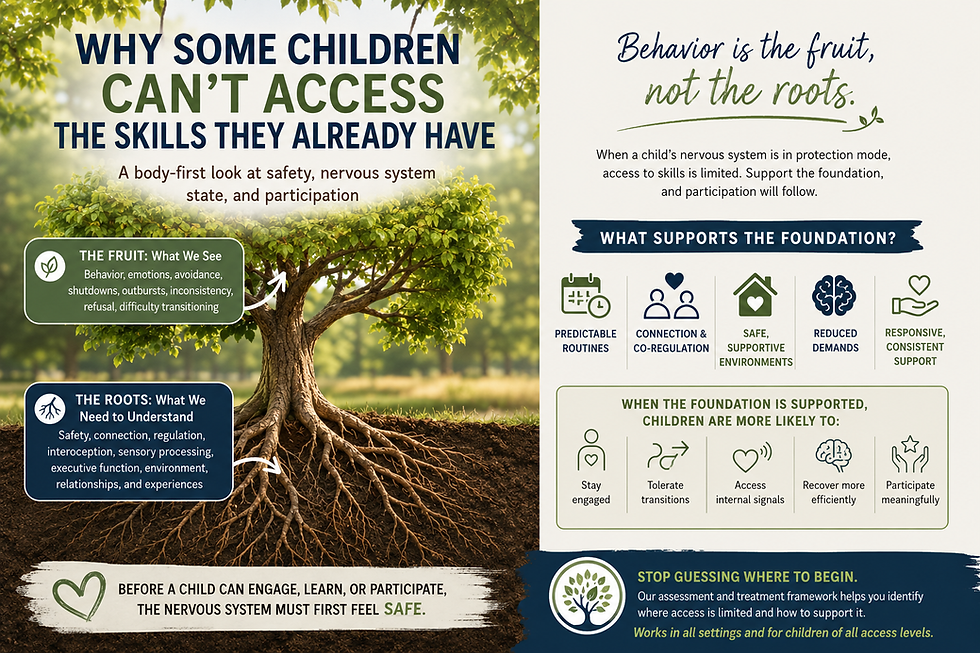
Children must feel safe, grounded, and physically ready before engaging in planning. If they are not hydrated, are feeling ill, are hungry, feel unsafe, are too tired they cannot access their higher thinking skills. They need to take a trip to the train station for support.
• Task Initiation Supports (The Stoplight System)
Clear “go” cues and routines reduce hesitation and overwhelm. When children have predictability and consistency, they feel more comfortable and can access thinking skills.
• Working Memory Scaffolds (The Ticket System)
Memory aids, visuals, and chunking help children hold steps in mind. Even math and reading comprehension are affected by decreased executive function!
Only after the foundational systems are in place does a planner become truly useful, effective, and empowering.
📉 Why Planners Don’t Work for All Kids
Here are the five most common reasons a planner alone fails to support executive function:
1. Lack of Internal Regulation
Sensory overload, anxiety, hunger, or unmet body-based needs block access to higher-level planning.
2. Missing Pre-Skills
Planners require time estimation, self-awareness, task understanding, and attention shifting, skills still developing in many children.
3. Too Much Abstraction
A blank planner page is overwhelming for many neurodivergent learners. Visuals and concrete steps work far better.
4. Working Memory Weakness
Even if they write something down, many children forget to check the planner, lose it, or struggle to apply the written plan to real-life action.
5. No Emotional Buy-In
If the child doesn’t feel successful with planners (or doesn’t see the value) they won’t use it.
✅ What To Do Instead: 5 Executive Function Institute–Approved Strategies
1. Start With Regulation First
Movement, breathwork, sensory supports, hydration, sleep, and toileting needs all impact readiness. The train must visit the Regulation Station before the journey begins.
2. Externalize the Task
Use sticky notes, a whiteboard, or train-track visuals before expecting success inside a planner.
3. Use Time Anchors
Replace vague tasks like “do homework” with: “Right after snack → open math folder.” Pairing tasks with events improves follow-through.
4. Co-Plan Together
Model your own planning out loud. Collaborative planning builds awareness, confidence, and ownership.
5. Break the Day Into Train Stops
Use visual train stops for transitions, tasks, and breaks. Include scheduled “fuel refills” like movement or co-regulation.
💬 The Bottom Line
A planner is helpful, but it’s not a magic fix.
Before children can organize their lives on paper, they need:
Regulation
Visual scaffolds
Body-based readiness
Strengths-based support
Clear internal and external structure
With these foundations in place, children can learn to drive their own train—confidently, purposefully, and with the right tools for the journey.
🛤️ Ready to Learn More?
Explore The Executive Function Express, your full roadmap for teaching executive function through movement, regulation, visual supports, and child-centered strategies.

Comments